
Safe Disposal of Hazardous Materials: A UK Professional Organiser's Guide
Not everything in your home can go in the bin. Here is a guide to disposing of hazardous materials safely, legally, and without a fine, in the UK.
Jo de Serrano OBE DUniv
6 min read
Last updated: May 2026
Key Takeaways
A surprising number of common household items count as hazardous waste and cannot go in your general bin or recycling.
Putting the wrong things in your bin is not a victimless act — it can create problems for refuse workers, damage recycling machinery, and in some cases carry a fine.
Most hazardous household items have a free, legal disposal route. The barrier is usually not knowing where to go.
Old medications go back to the pharmacy. Full stop.
Your local household waste recycling centre (the tip) handles more than people realise — including paint, chemicals, batteries, and electricals.
Most clear-outs involve a skip, a few charity shop runs, and some creative problem-solving around what will fit in the car. But every so often, you open a cupboard and find things that cannot be dealt with in any of those ways — the half-empty tin of paint from 2014, the bottle of weedkiller with no label, the bag of old batteries that has been on the kitchen counter for months, the medication left over from a course you finished three years ago.
These things are hazardous if disposed of incorrectly. They can contaminate water supplies, damage waste processing equipment, and in some cases create safety risks for the people handling them. I flag this in most decluttering sessions because it comes up more often than you'd expect, and most people have no idea where these things are supposed to go.
Here is the practical guide.
What Counts as Hazardous Household Waste
The term sounds industrial, but hazardous household waste is anything flammable, toxic, corrosive, or reactive, and there is more of it in the average home than most people realise.
Common examples: paint and varnish (even dried-out tins). Solvents, white spirit, turpentine. Garden chemicals — pesticides, weedkillers, fertilisers with chemical compounds. Motor oil, antifreeze, brake fluid. Old or unused medications and vitamins. Batteries of all sizes. Fluorescent light bulbs and some LED bulbs. Aerosols that are not empty. Certain cleaning products, such as drain unblockers, oven cleaners, and products containing bleach in high concentrations. Fire extinguishers. Smoke detectors containing americium (most household ones do).
The rule of thumb: if it has a hazard symbol on the label, or if you would not feel comfortable pouring it down the sink or putting it in a bin bag, it needs a different route.
Old Medications
This one has a clear answer: take them to any pharmacy. Pharmacies in England, Scotland, Wales, and Northern Ireland are required to accept unwanted medications for safe disposal at no charge. You do not need to be a customer of that pharmacy. You do not need to explain why you have them.
This includes prescription medications, over-the-counter drugs, vitamins and supplements, and anything else in tablet, capsule, liquid, or patch form. It also includes sharps, needles and lancets, though pharmacies may have specific requirements for these (a sharps bin rather than loose in a bag).
Medications should never go in your household bin, down the sink, or down the toilet. The active compounds in many medications pass through water treatment processes and end up in waterways. This is an established environmental problem, and it is avoidable.
Batteries
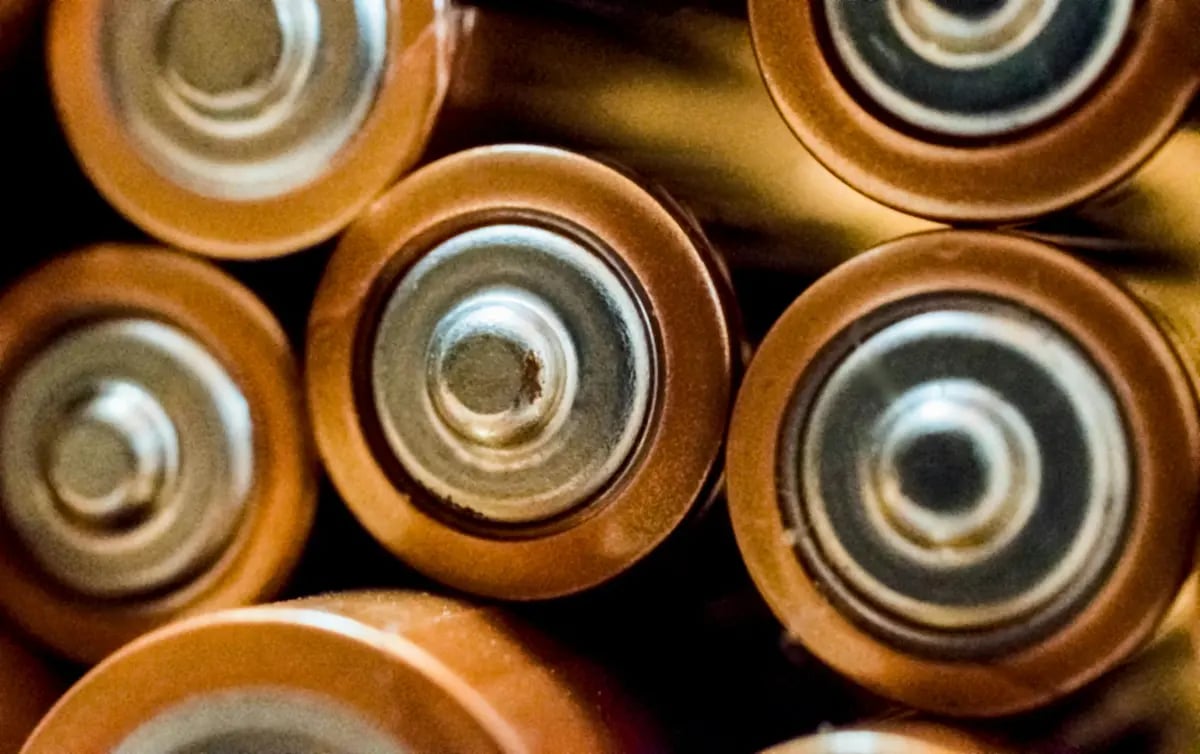
Batteries cannot go in your general household rubbish. They contain heavy metals, such as lead, cadmium, mercury, and lithium, that are harmful when they end up in landfill and can cause fires in waste vehicles if damaged.
Battery collection points are now extremely widespread. Supermarkets, DIY stores, pharmacies, and many local shops have collection boxes near the entrance or checkout. Most large retailers are legally required to provide battery take-back under UK regulations. If you have been accumulating batteries in a drawer, this is a five-minute job: bag them up and drop them at your nearest supermarket.
Car batteries are handled separately. Most garages and tyre centres will take them. Scrap metal dealers also accept them. Do not put a car battery in your household bin or leave it on the street.
Paint
Paint is one of the items I come across most often in garages and lofts during decluttering sessions. There is almost always a collection of half-empty tins going back years, some of which are dried solid and some of which still have usable paint inside.
Usable paint, paint that is still liquid and in reasonable condition, can be donated. Community RePaint is a national scheme that redistributes surplus paint to charities, community groups, and individuals who cannot afford to buy new. They accept most types of paint in usable condition. Details at communityrepaint.org.uk.
Dried solid paint in tins can go in your general rubbish, so the solid paint is no longer a hazardous liquid. To dry paint out faster, leave the lid off in a ventilated space, or add cat litter or sawdust to absorb the remaining moisture.
Liquid paint that cannot be donated needs to go to your local household waste recycling centre. Most centres have a specific area for paint and will not accept it in the general waste skip.
Household Chemicals and Garden Products
Weedkillers, pesticides, fertilisers with chemical compounds, pool chemicals, and similar products need to go to your local household waste recycling centre. Most sites have a dedicated chemical drop-off point, separate from the general skips.
Check your local council's website before you go, as some sites have restrictions on volumes or specific products. If you have a large quantity, clearing out a shed or outbuilding, for example, it is worth phoning ahead.
Do not decant chemicals into different containers before disposal. Take them in their original packaging where possible, even if damaged. Unknown substances in unlabelled containers are difficult for waste handlers to process safely.
Oil, including cooking oil, motor oil, and engine oil, has its own disposal route. Motor oil can go to most household waste recycling centres and many garages. Cooking oil in large quantities can be taken to cooking oil recycling points (many supermarkets have them). Small amounts of cooking oil can be absorbed with kitchen paper and put in the general bin. Do not pour it down the drain.
Electrical Items and Electronics
WEEE: Waste Electrical and Electronic Equipment cannot go in your general household bin under UK regulations. This covers everything from toasters and hair dryers to laptops, mobile phones, and power tools.
Collection routes for electricals include your local household waste recycling centre, which will have a dedicated WEEE area. Large retailers selling electrical goods are also required to offer take-back if you buy a new item, they must take the old equivalent. Some will collect; others require you to bring it in.
Smaller electricals such as phones, tablets, cables, and small appliances are accepted at many charity shops, though they may test items before reselling. Worthwhile for anything in working order.
Fluorescent tubes and energy-saving bulbs (not standard LED bulbs) also count as WEEE and should go to a recycling centre. Standard incandescent and LED bulbs can go in the general bin.
Smoke Detectors and Fire Extinguishers
Standard household smoke detectors contain a tiny amount of americium-241, a radioactive substance. The quantity is too small to be a health risk in normal use, but they should not go in the general bin.
Most manufacturers recommend returning old smoke detectors to them for safe disposal. Check the manufacturer's website for their take-back policy. Some local councils accept them at household waste recycling centres, so check before you go.
Fire extinguishers need to be discharged before disposal. A local fire equipment service company will do this, or you can contact your local fire service to ask about their procedures. Do not attempt to discharge a fire extinguisher yourself unless you know what you are doing.
Finding Your Local Household Waste Recycling Centre
Your local council's website will have details of the nearest household waste recycling centre, what it accepts, and whether you need to book. Many centres introduced booking systems during and after the pandemic, and some have kept them, so it is worth checking before you load the car.
The Recycle Now website (recyclenow.com) also has a useful tool that lets you search by postcode for local recycling and disposal options for specific materials.
If you are in London, the NLWA (North London Waste Authority) and equivalent bodies for other boroughs publish clear guidance on what goes where. Most London boroughs also offer bulky waste collection for larger items, which may include some hazardous materials, so check your specific borough.
During a Declutter
When I am working through a property with a client, I set aside a box specifically for items that need a specialist disposal route. Nothing goes into it carelessly, and if there is any doubt about whether something is hazardous, it goes in the box, and I look it up rather than guess.
At the end of the session, that box has a clear destination: the relevant pharmacy, recycling centre, or collection point. It does not go back onto a shelf to be dealt with later. Later has a habit of becoming never.
I do not take hazardous materials away myself; I leave them with the client with clear written instructions on where each item needs to go and how. Most of the time, the disposal is a ten-minute drive and costs nothing. The main barrier was not knowing it needed to be done differently.
Related Articles
→ How to Declutter a Garage: A Step-by-Step Guide
→ Is It Worth Selling? A Professional Organiser's Guide
→ How to Organise Your Important Documents and Actually Find Them
→ What Is Swedish Death Cleaning and Should You Try It?
Need help identifying and safely removing hazardous materials from your home? Let's create a responsible disposal plan together. Book a discovery call today.
Order from Chaos
Direct Approach. Bespoke Solutions.
© 2026. All rights reserved.








Based in Croydon, serving London, the Home Counties, and South East England, with virtual services available worldwide. See Areas I Cover
Blog
APDO Member / Enhanced DBS / Fully Insured / ICO Registered: ZB705394
Registered Address: 71-75 Shelton Street, WC2H 9JQ Company Number: 14974139
Order from Chaos is founded by Jo de Serrano OBE DUniv, APDO member, Enhanced DBS cleared, and fully insured. Late-diagnosed AuDHD with 25+ years of professional experience bringing structured, practical thinking to the chaos of everyday home life

